

Circuit breakers are one of the most important safety components in your home’s electrical system, and when one begins to malfunction, it is not a situation that should be left unaddressed. In Chapel Hill, NC, where a mix of older homes near the UNC campus and established neighborhoods like Westwood and Booker Creek sit alongside newer developments in the southern part of town, the electrical panels and breaker configurations we encounter vary widely in age and condition. Understanding what a failing breaker looks and sounds like, and knowing when to call a licensed electrician, is knowledge every Chapel Hill homeowner benefits from having.
Our Chapel Hill electrical services include professional circuit breaker evaluation, replacement, and panel work performed by licensed technicians who bring the expertise and equipment that this kind of work genuinely requires.
Understanding the Importance of Safe Circuit Breaker Replacement
Circuit breaker replacement is not a task that rewards shortcuts or improvisation. The breaker panel is the control center of your home’s entire electrical system, and improper work inside it can result in fire hazards, electrical shocks, and system failures that are dangerous and expensive to correct.
This is why we consistently recommend that circuit breaker replacement be handled by a licensed, experienced electrician rather than approached as a DIY project. A professional brings the technical knowledge, proper tools, and code familiarity needed to ensure the replacement is performed correctly and that the finished installation meets all applicable safety standards. The risk of getting it wrong is simply too significant to justify the alternative.
A properly installed circuit breaker protects your home from overloads, maintains the integrity of your electrical circuits, and provides the long-term reliability your system depends on. Entrusting this work to a qualified professional is one of the clearest examples of where the investment in expert service pays for itself many times over.
Recognizing a Malfunctioning Circuit Breaker
Knowing the warning signs of a failing circuit breaker allows you to act before a minor issue becomes a serious hazard. Based on what we see in Chapel Hill properties, the most common indicators include:
- A breaker that trips frequently under normal household loads, suggesting it is no longer functioning within its designed parameters
- A breaker that will not reset after being tripped, which can point to an underlying short circuit or persistent overload condition
- A burning smell or visible scorch marks near the panel, indicating heat buildup that represents a genuine fire risk
- A breaker that feels warm or hot to the touch, which is abnormal and warrants immediate professional attention
- Flickering lights or inconsistent power on a specific circuit, which may trace back to a breaker that is failing intermittently
Any of these signs should be treated as a prompt to contact a licensed electrician rather than an invitation to investigate the panel independently. The sooner a failing breaker is professionally evaluated, the lower the risk to your home and household.
Key Considerations Before Circuit Breaker Work Begins
When a circuit breaker replacement is warranted, there are several important factors that a licensed electrician evaluates before any hands-on work begins. These considerations are part of what separates professional service from an uninformed approach.
The first priority is confirming that power to the affected circuit is properly de-energized and verified before any components are handled. This is not simply a matter of flipping a switch. It requires testing to confirm the circuit is genuinely safe to work on.
Compatibility is another critical factor. The replacement breaker must match the amperage rating of the circuit it serves and be compatible with the specific panel brand and configuration in your home. Using an incorrectly sized or incompatible breaker is not just ineffective. It is a fire hazard. Proper disposal of the old breaker is also part of responsible service, as older breakers may contain materials that require careful handling.
These considerations, along with a broader assessment of the panel’s overall condition, are what make a professional evaluation the right starting point for any breaker replacement.
What Professional Circuit Breaker Replacement Involves
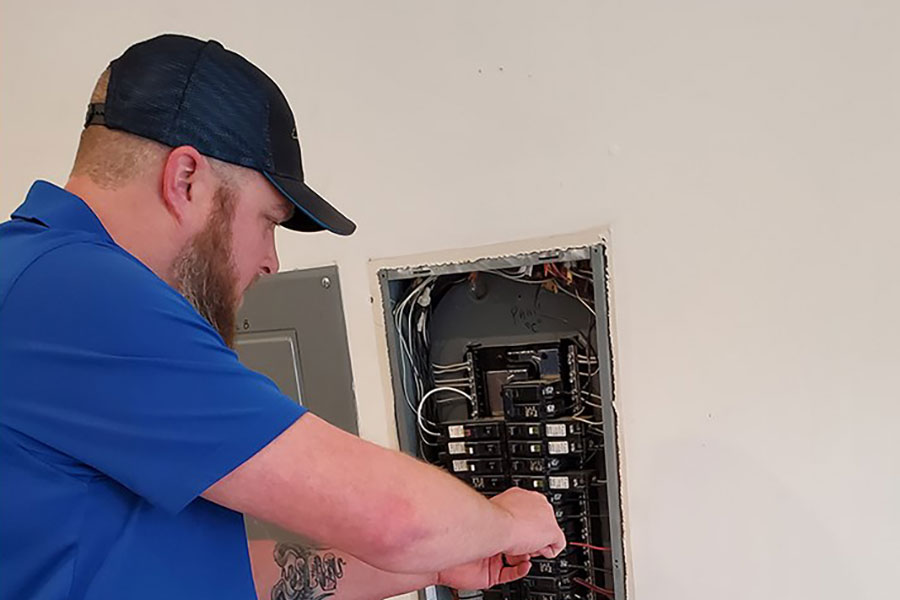
When our licensed electricians handle a circuit breaker replacement in Chapel Hill, NC, the process follows a systematic approach that prioritizes safety at every stage. The affected circuit is de-energized and tested before any work begins. The old breaker is carefully removed and compared with the replacement to confirm compatibility in both size and specifications.
The new breaker is installed securely, connections are verified, and the circuit is tested after power is restored to confirm the replacement is functioning correctly. The panel cover is replaced, and the workspace is left clean and orderly before the job is considered complete.
For homes where a single breaker failure reveals broader concerns about the condition of the panel, our team can provide a comprehensive evaluation and recommend whether electrical panel services, such as a partial upgrade or full panel replacement, would better serve the long-term safety of the home.
Troubleshooting Common Circuit Breaker Issues
Some circuit breaker problems are straightforward, while others point to conditions within the broader electrical system that require additional attention. Here are three situations that commonly come up during professional breaker evaluations:
Breaker that will not trip: If a breaker fails to trip under an overload condition, it has lost its primary protective function. This could indicate a stuck mechanism or a wiring issue that needs to be addressed before the replacement is complete.
Incorrect breaker size: Installing a breaker with the wrong amperage rating is one of the most common and consequential errors in panel work. A breaker that is rated too high for its circuit removes the overload protection that breakers are designed to provide, creating a fire hazard. A licensed electrician verifies this match before installation.
Breaker that trips but will not reset: When a tripped breaker refuses to reset, it is typically because the underlying cause of the trip, whether a short circuit or a persistent overload, has not been resolved. Attempting to force a reset without identifying the root cause can damage the breaker and the connected circuit. Professional diagnosis is the appropriate next step.
In situations where repeated breaker issues suggest the panel itself is struggling to meet your home’s demands, circuit breaker installation as part of a broader panel upgrade may be the most practical long-term solution.
Keeping Your Chapel Hill Home Electrically Safe and Reliable
A functioning circuit breaker system is fundamental to the safety of every home, and Chapel Hill properties of every age deserve the protection that properly installed, code-compliant breakers provide. Whether you are dealing with a single failing breaker or noticing patterns that suggest your panel needs a more thorough evaluation, professional service is the path that protects your home most effectively.
If you have noticed any of the warning signs described here or simply want the peace of mind that comes from a professional panel inspection, contact our team today to schedule your service. Our licensed electricians are ready to help Chapel Hill homeowners keep their electrical systems safe, reliable, and performing the way they should.