

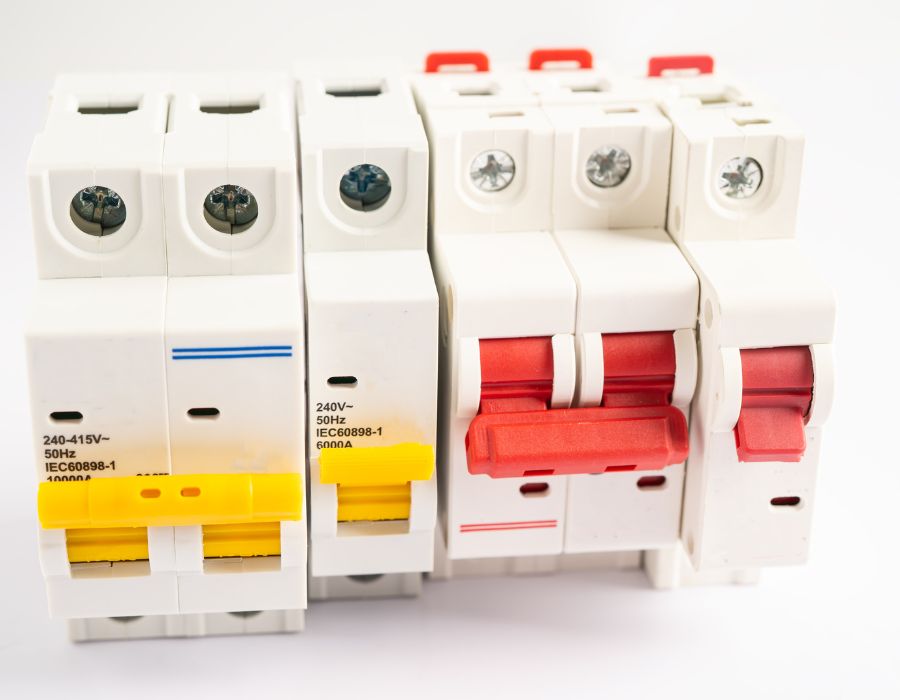
Did you know that nearly 30% of electrical fires are caused by faulty circuit breakers? If you’re facing issues with your circuit breaker in Cary, NC, it’s vital to handle the replacement safely. Proper steps can prevent accidents and guarantee your home’s electrical system functions efficiently. Let’s explore the essential steps you need to take to replace a circuit breaker without any mishaps.
Gather the Necessary Tools and Materials
Before you plunge into replacing a circuit breaker, it’s vital to gather the right tools and materials to guarantee a smooth process. Start by collecting a screwdriver set, preferably with both flat and Phillips heads, as well as a pair of pliers.
You’ll need a voltage tester to verify that the circuit is off and a new circuit breaker that matches the amperage of your old one. Don’t forget to grab electrical tape and a flashlight, too; they can come in handy.
If you want to be extra cautious, consider wearing safety goggles and rubber gloves. Having everything organized before you begin will save you time and minimize interruptions. Additionally, ensure you select a suitable circuit breaker to meet your specific needs, as this is crucial for effective and safe operation.
Once you have your tools and materials ready, you’ll feel more confident tackling the task ahead. So take a moment to double-check your supplies; preparation is key to a safe and effective circuit breaker replacement.
Turn Off the Power Supply
With your tools and materials in hand, it’s time to confirm safety by turning off the power supply. This step is vital to guarantee you don’t face any electrical shocks while replacing the circuit breaker. Here’s how to do it:
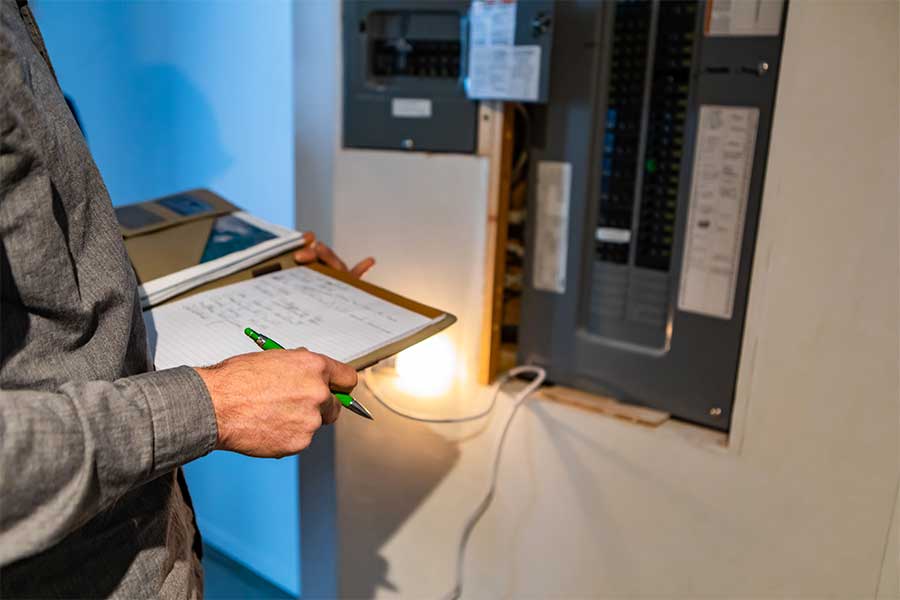
- Locate your main electrical panel, usually found in the basement, garage, or utility room.
- Identify the main circuit breaker, which is typically a larger switch at the top of the panel.
- Flip the switch to the “off” position, cutting power to your entire home.
Once you’ve done this, use a voltage tester to double-check that the power is off in the circuit you’re working on. You want to feel confident that all electricity is safely disconnected.
Remember, this is an important step that can’t be skipped, as it protects you and your home from potential hazards. Additionally, consulting with licensed electricians can ensure you’re following the correct procedures for your specific situation.
Now you’re ready to proceed with the replacement!
Remove the Old Circuit Breaker
Now that the power is off, it’s time to remove the old circuit breaker carefully. Start by locating the breaker you want to replace in the panel. Use a screwdriver to loosen the screw securing the breaker to the bus bar.
Once it’s loose, gently pull the breaker away from the panel. Be sure to hold the panel itself for stability.
Next, disconnect the wire attached to the breaker. You may need to loosen the terminal screw to release the wire. As you do this, keep an eye on the wire’s condition—if it’s damaged, consider replacing it as well.
After removing the wire, inspect the breaker for any signs of wear or damage. This step is essential to guarantee your new breaker functions properly. Additionally, it is crucial to ensure that the certified technicians are available to assist you with any complex issues that may arise during the process.
With the old breaker out, you’re ready for the next phase of your replacement process.
Install the New Circuit Breaker
Carefully position the new circuit breaker into the panel, guaranteeing it lines up with the bus bar.
Once it’s in place, press firmly until you hear a click, indicating it’s secured. Make sure the circuit breaker is oriented correctly; the switch should face outward for easy access.
Here are a few things to check during installation:
- Alignment: Confirm the breaker lines up perfectly with the bus bar.
- Secure Fit: Verify it’s locked into place, preventing any movement.
- Correct Type: Double-check you’re using the right amperage and type for your circuit.
After these steps, you’re one step closer to restoring power. For optimal safety and efficiency, consider electrical panel upgrade services that may be necessary.
Always remember to handle the components gently, and don’t rush through this essential part of the process. Taking your time now will pay off later when everything runs smoothly.
Restore Power and Test the Circuit
After securing the new circuit breaker, you can restore power and test the circuit to confirm everything is functioning properly.
First, head back to your main electrical panel and flip the main power switch back on. You should hear a click, indicating the power is restored.
Next, go to the newly replaced circuit breaker and switch it on. Check any connected outlets or devices to verify they’re receiving power. Plug in a lamp or use a voltage tester to confirm the circuit is live.
If the breaker trips again, unplug devices on that circuit and try resetting it. If it continues to trip, you may need to consult a professional.
With the power restored and everything working, you can breathe easy, knowing your circuit is safe and reliable.
If you’re ever unsure, don’t hesitate to call CMC Electric for expert assistance!
Conclusion
By following these steps, you can safely replace a circuit breaker in Cary, NC. It’s important to note that over 50% of house fires in the U.S. are caused by electrical failures or malfunctions, so taking the right precautions is vital. Always prioritize safety and don’t hesitate to call a professional if you’re unsure at any step. With the right tools and attention to detail, you can make certain your home remains safe and functional.