
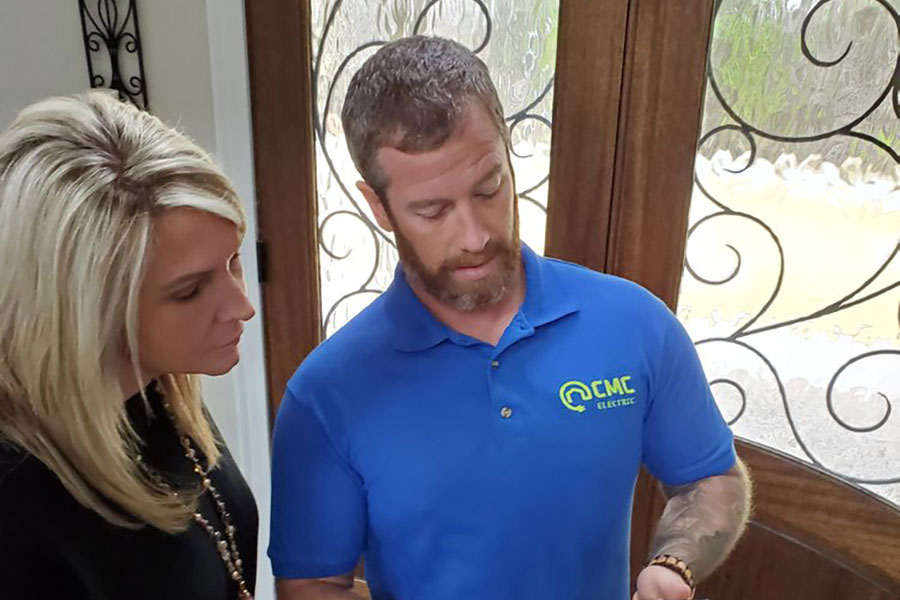
When it comes to your home’s safety, a professional electrical inspection is essential. You might not realize the potential hazards lurking behind your walls, like overloaded circuits or damaged wiring. These issues can escalate quickly, leading to dangerous situations. You can protect your home and family by understanding the importance of regular inspections. What common electrical hazards should you know, and how can a professional help? Let’s explore further.
Understanding the Importance of Electrical Inspections
When you consider the safety and functionality of your electrical systems, understanding the importance of electrical inspections becomes essential. Regular inspections help identify potential issues before they escalate into serious problems. An experienced electrician evaluates wiring, connections, and components, ensuring everything meets current safety standards. This proactive approach not only enhances the reliability of your electrical systems but also protects your home and its occupants.
Common Electrical Hazards in Homes
Electrical inspections are essential in maintaining your home’s safety, as they help uncover common electrical hazards that pose serious risks. Identifying these hazards early can prevent accidents and protect your loved ones. Here are four common electrical hazards you should be aware of:
- Overloaded Circuits: Too many devices on one circuit can lead to overheating.
- Frayed Wires: Damaged wiring can cause shorts or electrical fires.
- Improperly Installed Outlets: Loose or incorrectly wired outlets can create shock hazards.
- Lack of Ground Fault Circuit Interrupters (GFCIs): Missing GFCIs in wet areas increases the electrocution risk.
Signs Your Home Needs an Electrical Inspection
If you notice flickering lights or frequently tripped breakers, it’s time to contemplate scheduling an electrical inspection. Other signs include warm or discolored outlets, which can indicate overheating, and a persistent burning smell near electrical components. If your home’s wiring is outdated or if you’re planning a renovation, an inspection is essential to guarantee safety and compliance with current codes. Additionally, if you experience a surge in your electricity bills without a clear reason, faulty wiring might be the cause. Finally, if you’ve added new appliances but haven’t upgraded your system, it’s wise to consult a professional. Addressing these issues early can prevent more serious hazards and guarantee your home remains safe.
The Benefits of Hiring a Professional Electrician
Hiring a professional electrician not only guarantees your electrical system is safe and up to code, but it also saves you time and potential headaches down the road. By choosing to work with an expert, you’ll experience several benefits:
- Safety Assurance: Professionals identify and mitigate risks, ensuring your home’s safety.
- Code Compliance: They guarantee that all installations adhere to local codes and regulations.
- Long-term Savings: Preventive measures can reduce future repair costs considerably.
- Expert Troubleshooting: Professionals quickly diagnose and resolve issues that may take you hours or days to figure out.
How Often Should You Schedule an Electrical Inspection?
Regular electrical inspections are key to maintaining a safe and efficient electrical system in your home. You should schedule these inspections every three to five years, depending on your home’s age and electrical usage. If you’ve recently renovated, added new appliances, or experienced electrical issues, consider having an inspection sooner. Homes with older wiring or outdated systems may require more frequent checks to guarantee safety and compliance with current codes. Additionally, if you notice flickering lights, tripped breakers, or burning odors, don’t hesitate to call an electrician immediately. Proactive inspections not only enhance safety but also promote energy efficiency, potentially lowering your utility bills while protecting your investment. Regular assessments serve your home’s electrical integrity and your family’s well-being.
The Inspection Process: What to Expect
What can you expect during a professional electrical inspection? You’ll find the process thorough and informative. Here’s a breakdown of what typically happens:
- Initial Consultation: The electrician will discuss your concerns and objectives to tailor the inspection.
- Visual Examination: They’ll inspect outlets, switches, and visible wiring for any signs of wear or damage.
- Testing and Measurements: They assess the functionality of circuits, grounding, and overall system integrity using specialized tools.
- Report and Recommendations: After the inspection, you’ll receive a detailed report outlining any issues and suggested remedies.
This systematic approach guarantees that your home’s electrical system operates safely and efficiently, ultimately protecting your family and property.
Cost Factors for Electrical Inspections
While many homeowners understand the importance of electrical inspections, the costs associated with these evaluations can vary considerably based on several factors. The size of your home plays a significant role; larger properties generally require more time and resources to inspect. Additionally, the complexity of your electrical system, such as outdated wiring or specialized equipment, can increase costs. Geographic location matters too; urban areas may have higher labor rates than rural ones. Furthermore, expect to pay more if your inspection includes additional services like thermal imaging or code compliance checks. Ultimately, investing in a thorough electrical inspection can save you from costly repairs and enhance safety, making it an essential step in home maintenance.
Preventing Electrical Fires Through Inspections
Electrical fires can often be prevented through detailed inspections, as they identify potential hazards before they escalate. Regular professional inspections help guarantee your home’s electrical system is safe. Here are four vital areas inspectors focus on:
- Wiring Integrity: Inspectors check for frayed or damaged wiring that could spark a fire.
- Circuit Overloads: They assess your circuit load to prevent overheating and potential ignition.
- Improper Connections: Loose or corroded connections can generate heat; identifying these is essential.
- Aging Components: Old electrical panels and outlets need evaluation to avoid failures.
Upgrading Your Electrical System: Why It Matters
After guaranteeing your home is safe from electrical fires through regular inspections, it’s essential to contemplate the benefits of upgrading your electrical system. An outdated system can lead to inefficiencies, increased energy costs, and even safety hazards. Modernizing your wiring, circuit breakers, and outlets enhances your home’s capacity to support today’s high-demand devices. This not only improves performance but also protects against overloading circuits. Upgrading guarantees compliance with current electrical codes, which can be vital when selling your home. Additionally, a modern electrical system can increase your property’s value and appeal. Investing in these upgrades demonstrates a commitment to safety and functionality, ultimately serving your needs and future occupants’ well-being.
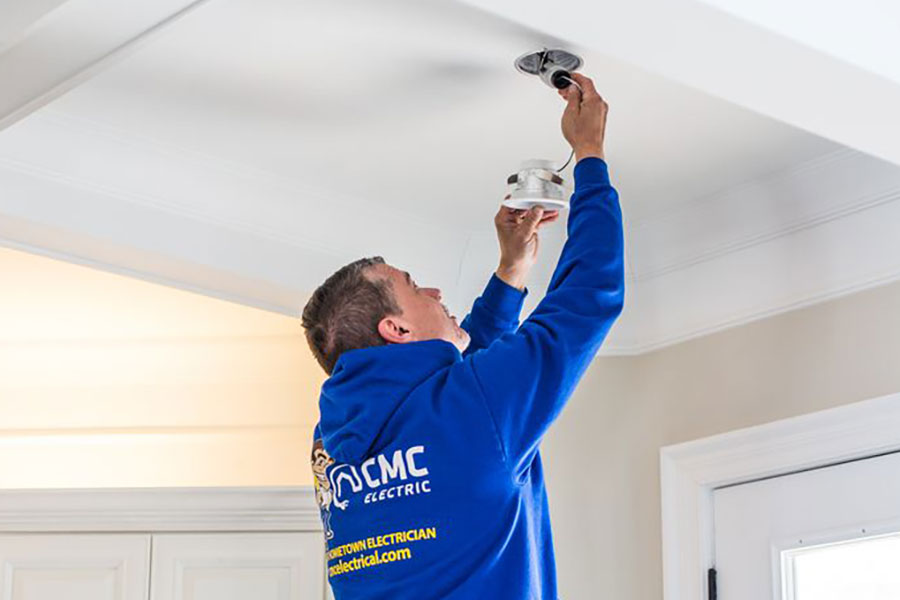
Protecting Your Home and Family With Regular Inspections
Regular electrical inspections are essential for safeguarding your home and family against potential hazards. By prioritizing these inspections, you can guarantee a safe living environment. Here are four key benefits:
- Identifying Faulty Wiring: Detecting outdated or damaged wiring can prevent dangerous electrical fires.
- Preventing Overloads: Evaluating your system helps avoid overloading circuits, which can lead to outages or hazards.
- Enhancing Energy Efficiency: Inspections can identify inefficiencies, saving you money on energy bills.
- Ensuring Compliance: Regular checks help guarantee your electrical system meets current safety codes and regulations.
Conclusion
To sum up, prioritizing regular electrical inspections is essential for maintaining a safe home environment. By identifying potential hazards early, you protect your property and safeguard your family’s well-being. Hiring a professional electrician guarantees compliance with safety standards and can save you money in the long run. Don’t wait for an emergency to act; schedule your inspection today and invest in the longevity and security of your electrical systems. Your home deserves it.
Frequently Asked Questions
How Long Does an Electrical Inspection Typically Take?
An electrical inspection typically takes one to three hours, depending on your home’s size and complexity. Inspectors evaluate wiring, outlets, and safety features, ensuring everything meets current codes and functions adequately for your peace of mind.
Can I Perform an Electrical Inspection Myself?
You can perform a basic electrical inspection, but it’s risky without proper training. Identifying potential hazards requires expertise. Hiring a professional who understands local codes and safety standards is safer and more effective.
What Certifications Should a Professional Electrician Have?
When hiring a professional electrician, verify that they have relevant certifications, such as a state license, National Electrical Code (NEC) training, and safety certifications. These credentials guarantee their expertise and commitment to safe, high-quality electrical work.
Will an Inspection Disrupt My Daily Activities?
An inspection typically won’t disrupt your daily activities considerably. Electricians often work efficiently, minimizing interruptions. They’ll communicate effectively, ensuring you’re aware of any necessary adjustments while maintaining a safe, functioning environment in your home.
How Can I Prepare My Home for an Inspection?
To prepare your home for an inspection, guarantee easy access to electrical panels, clear clutter around outlets, and document previous electrical work. It’ll streamline the process and help the inspector assess your system effectively.